


Logo Logic: Why Modern Brands Need a System, not a Symbol
Posted on Thursday April 30, 2026
Once upon a time there was an idea that a single logo was all a company needed. A single mark that sits in the corner of letterhead or on a sign. Same colour, same arrangement, same size. Then digital came in with force and blew traditional marketing and media out of the water.
Since then, logo iteration has become front of mind for most brand stories and development. The sheer number of places where a logo is required has expanded and ensuring a strong presence in each forum – letterhead, signage, profile pictures, backgrounds, swag – and appropriate to each situation has become a continually evolving challenge for designers. In order to be successful in today’s market, a brand requires a system to help navigate across channels, not just a symbol.
What is a Logo System?
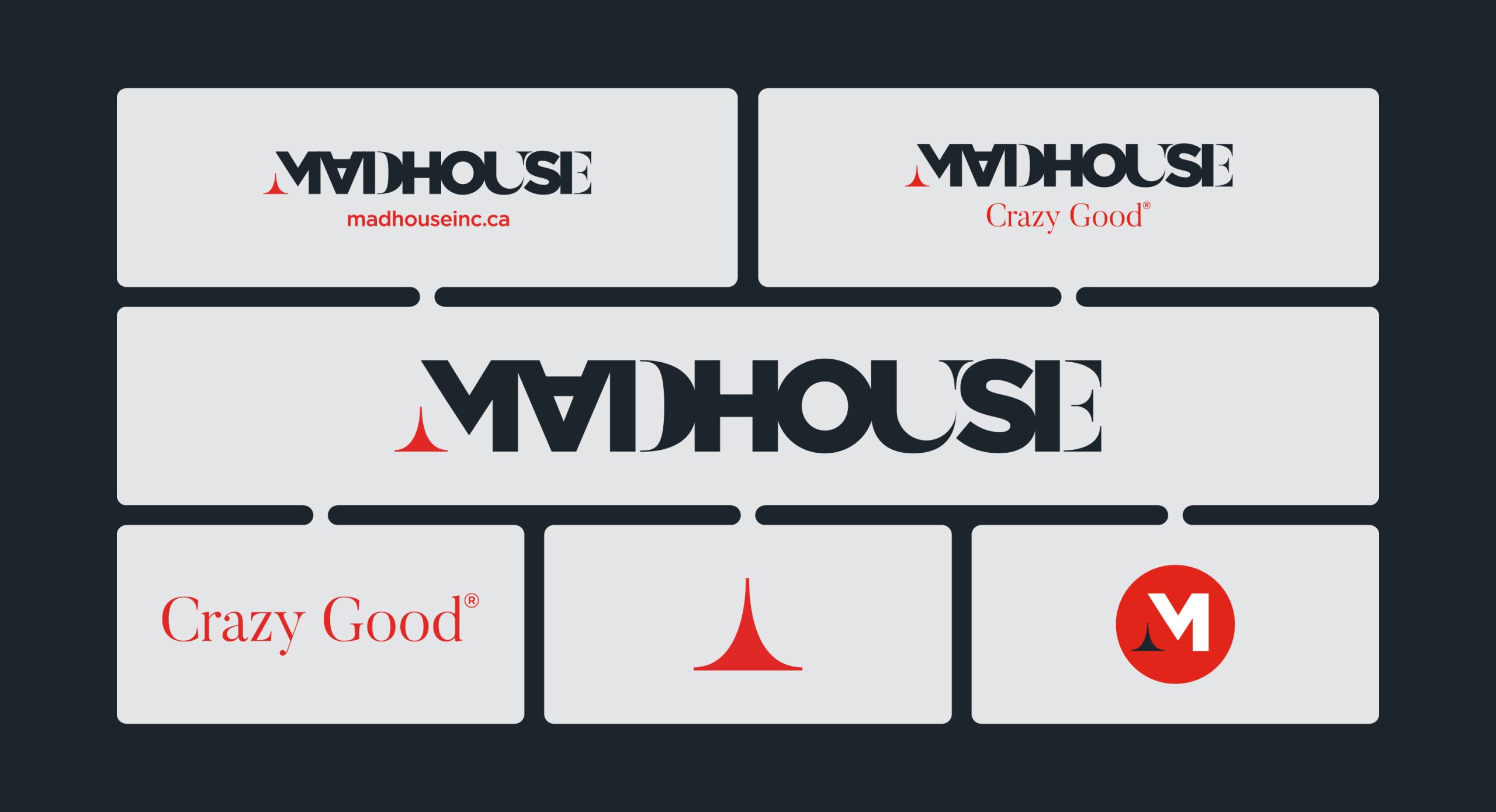
A logo system is a thought system. It ensures clarity. It allows for a brand to perform at its best whether blown up for 12ft signage or shrunken down to fit a ½ inch space. Rather than relying on a single static logo, a logo system contains multiple approved variations, such as primary logos, secondary logos, icons, watermarks, colour variations, and responsive versions. These variants form a cohesive brand identity and work together across multiple contexts. A strong logo system goes beyond the logo itself and includes supporting elements that form a fulsome brand that is flexible across platforms and media while maintaining a consistent identity.
The Anatomy of a Logo
Every organization needs a strong primary logo to represent them. Typically, a primary logo consists of a wordmark and icon. This logo is the literal face of the brand. This is what adorns letterhead. This is what the company is most widely recognized for. The style, colour, typeface and overall design is the most easily recognized. A secondary or stacked option is also required, which is often an alternate orientation used for tight spaces. Next, the logo should be split apart – separating the icon from the wordmark. The icon steps in for the logo for social profiles. The wordmark fills in as a text-only version when needed. Finally, your logo needs a reversed colour option or a one-colour option that can be applied to dark backgrounds.
These logo forms are not optional anymore. They are functional. They establish brand identity. Each serves a purpose and is a requirement of a responsive logo design set for an organization that is looking for clients and recognition across platforms.
Building Identity
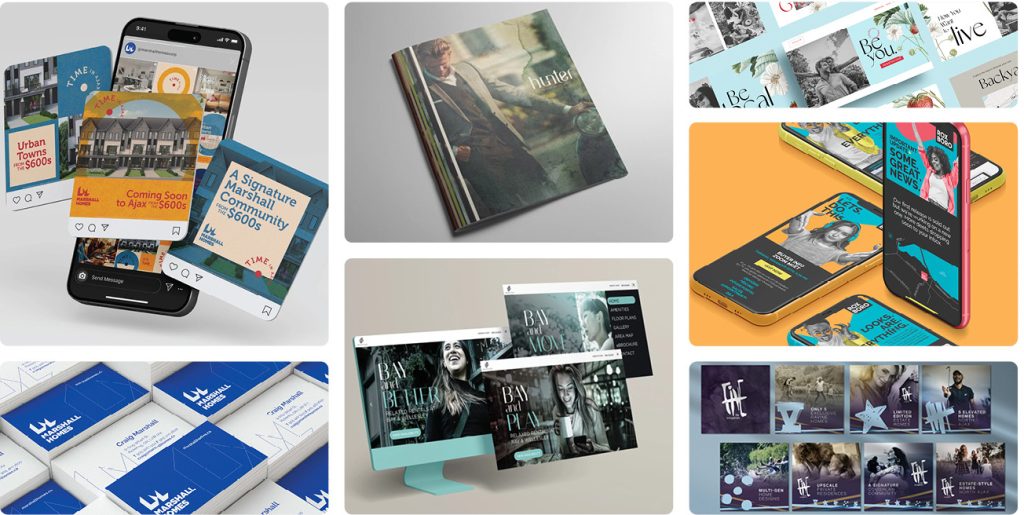
One of the major advantages of developing various iterations of a logo from the outset, is the strengthening of brand identity. Creating this brand identity system encourages a company to assess its services and the placements of its product. It helps reduce confusion amongst team members and avoids any off-brand adaptions, ensuring a consistent identity. Consistency helps to build recognition and seize upon that sought-after spot in a client’s attention span. The variety builds interest and earns attention through its familiarity. It creates recognition without being repetitive.
Big Picture
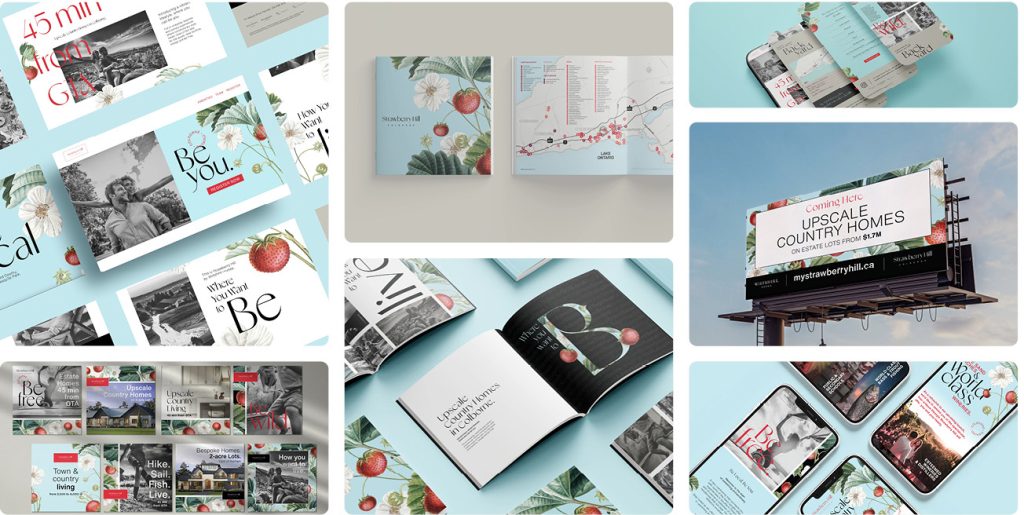
As mentioned earlier, logo design is only part of a living brand. Different iterations of this brand allow for adaptability, but is still only part of the introspection required for successful brand strategy. The logo is part of a larger brand strategy which includes typography, colour, spacing and usage rules for creative guidance. It is paired with strong copy including taglines and positioning. This is where real brand strength comes in.
A real-world example of a logo system at work? McDonald’s has been using its “Golden Arches” since the early 60s. It’s still used interchangeably with the full primary logo in forms like signage, app icons and packaging. The colour and typeface are instantly recognizable, and its “I’m Lovin’ It” sonic branding has lasting global recognition since its 2003 introduction. This flexibility allows McDonald’s to stay instantly recognizable across every touchpoint while evolving with modern platforms and audiences.
Branding is a living, breathing, beautiful thing – or it should be. Your logo and brand must adapt to reach your audience where they are now. Having a logo system enables just that. It strengthens your brand, increases recognition across platforms and ensures no potential customers are missed.
If your logo only works in one place, it’s not working at all.
Kickstart your branding. Let’s connect to get your organization moving.
ALL POSTS