



Can you copyright a colour?
Posted on Tuesday March 31, 2026

When colour becomes a brand – and legal battleground
Choosing the right colour is an essential part of building a strong brand. Colour studies are a major part of the brand development process. Is it possible then for a brand to be defined by a colour? To have a colour so synonymous with their name and product that it can be copyrighted?
Short answer? No, but it can be trademarked.
Copyright protects what you create. Trademark protects what people remember.
A colour trademark is a specific colour (or combination of colours) that is used to identify and distinguish a brand’s goods or services and is legally protected when it has acquired distinctiveness in the marketplace. – Innovation, Science and Economic Development Canada, Government of Canada
A colour becomes a trademark when people see that colour and immediately think of a specific brand, and the law recognizes that association.
The colour association required for a trademark isn’t something that happens overnight. It requires long-term and consistent use. It requires numerous uses and touchpoints often spanning decades to be recognizable enough to qualify for a trademark.
Where a brand or logo is easier to copyright since it is a created entity, colours can be trademarked only in their association with a product or service.

The legal protections for a trademark are also limited to a specific use or industry. The Tiffany Blue, for example, is protected solely for jewelry packaging. It does not prohibit that blue from being used for other services or industries. Courts require proof that a colour is “inherently adapted to distinguish” a brand.
Beyond that famous blue, there are several other colours that share a similar recognizability. For chocolate, the Cadbury purple is consistent across their packaging. “UPS Brown” is synonymous with their delivery services so much so, that the colour also became part of their tagline for their “What can Brown do for you?” campaign that ran from 2002 to 2010.
Though possible, trademarked colours need to be specific. In addition to decades of use, for a colour to become trademarked, its use needs to be limited, specific and essentially, iconic.
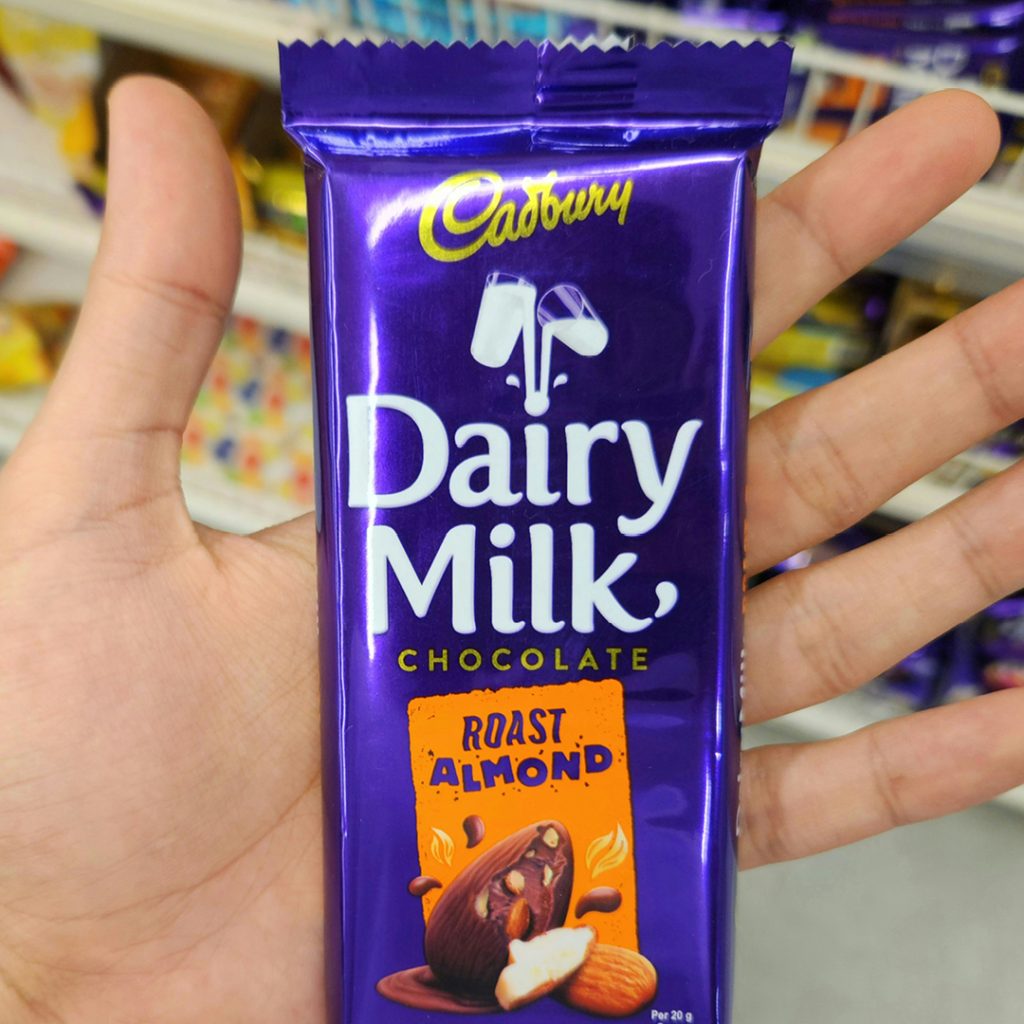
Cadbury and Nestle waged this very specific battle in the early 2000s. Cadbury sought a general trademark for its purple, Pantone 2685C. It had established its trademark for the purple use in packaging in the 90s but sought to broaden the field of its claim – which Nestle opposed. Eventually, Cadbury’s trademark couldn’t expand or broadly lock down the colour across wider uses, which is what the Nestlé dispute was really about.

Similarly, there was a dispute between two high-end designers Christian Louboutin and Yves Saint Laurent over the colour red. Known for their famous red bottoms, Louboutin shoes are defined by craftsmanship, quality and status. In 2011, when Yves Saint Laurent began selling red monochrome footwear, Louboutin sued for trademark infringement. The final ruling found that though Christian Louboutin did have trademark protection on the red, it only applied to the red soles, and only when paired with a contrasting colour.
Brands today need to think long-term. Colour is a powerful brand asset, but consistency and disciplined use are essential. Trademark protection isn’t automatic – it depends on distinctiveness, consumer recognition, and clearly defined application over time. Understanding your market is critical; choosing a trending colour that everyone else is using can dilute your brand rather than define it. Ultimately, trademarks are only enforceable when they serve their core purpose: preventing consumer confusion.
In a crowded market, clarity wins—and distinctiveness endures.
Let’s define what makes your brand impossible to ignore. Contact us today.
ALL POSTS