



Design in Mind – Marketing and design trends reflecting cultural shifts, not isolated aesthetics
Posted on Wednesday February 25, 2026
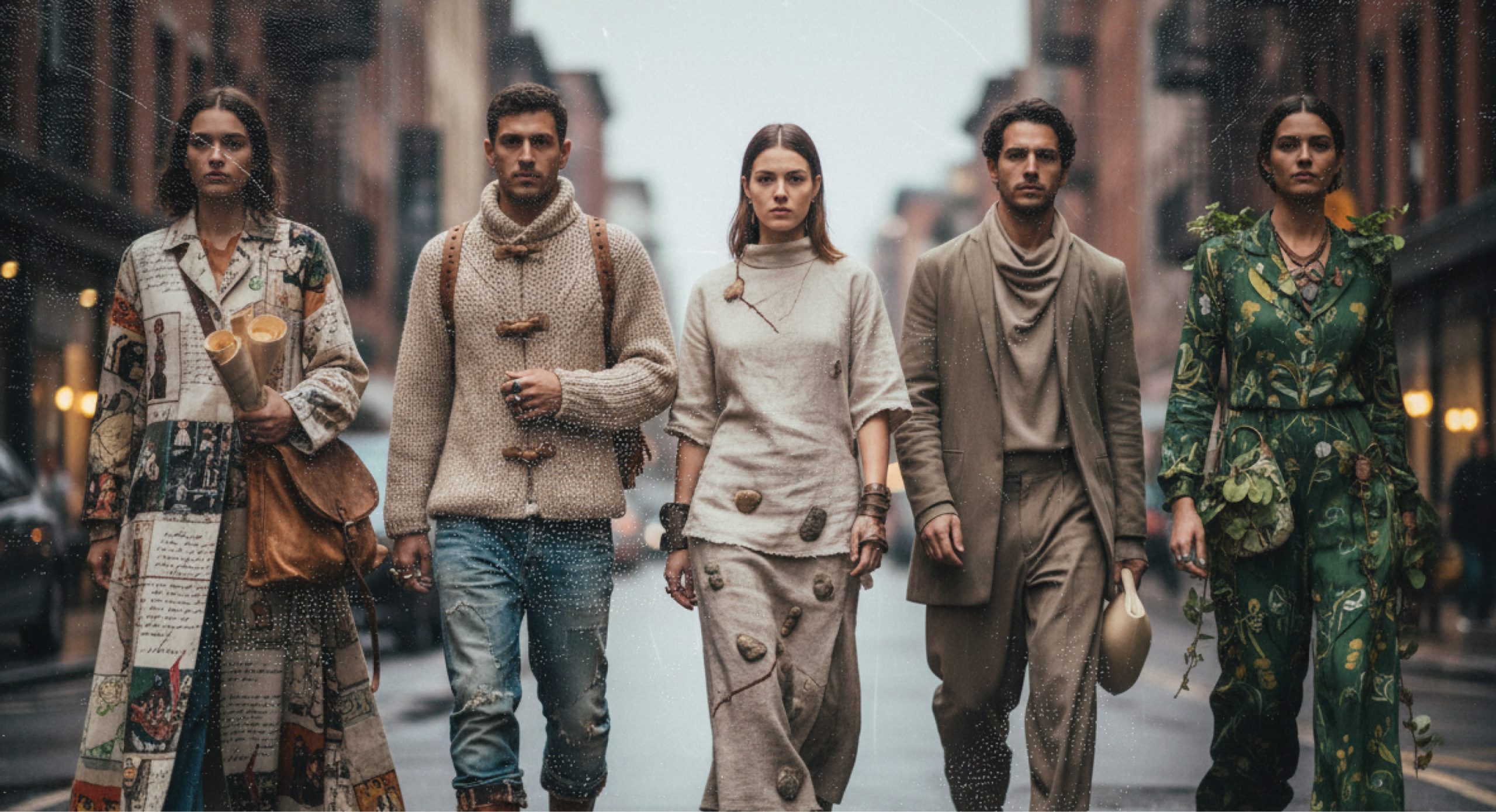
Millennial grey? Faux-sustainable? Industrial chic? Begone!
We’re tired of these surface level trends. Textbook design and style never quite went beyond basic, and we’re thrilled to see design and marketing trends leaning towards meaning. Clarity and intention have always been keys to successful design, adding to impactful storytelling and fostering connection with the targeted audience.
Whether it’s in décor, fashion, home or product design, here are five trends we can really get behind:
Biophilic Design
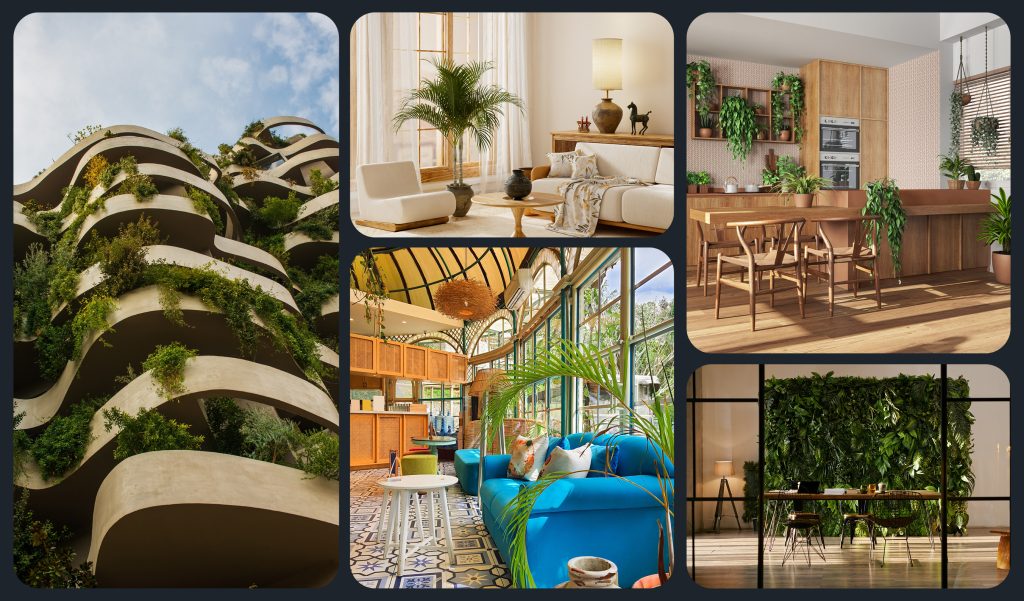
Driven by climate awareness and desire for physical grounding, this design trend incorporates natural elements embedded into the foundation of the product. Think living roofs, clay, limestone, chalky whites, native plants, layered ecosystems, natural fibres and dyes. This is earth-conscious beyond just a colour scheme. It’s about colours and materials that feel grown and not created and intended to get better as they age. It’s about celebrating and utilizing the natural world to improve the way we build, design and purchase, with true eco-advancements impacting all industries.
Soft Modernism
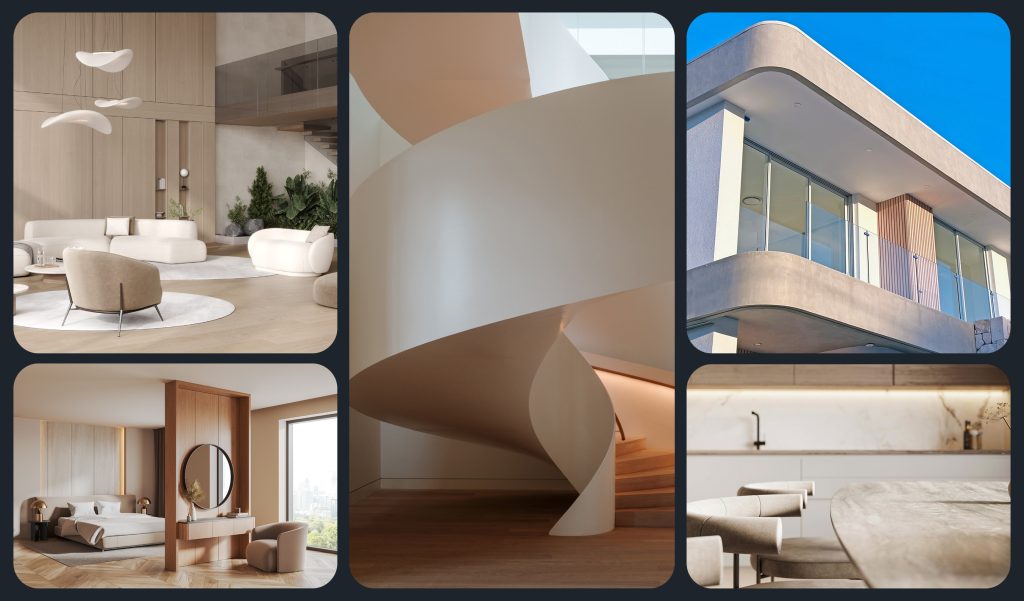
After what feels like an eternity of sharp modernism, a more human centred style is forging connection across fashion, architecture and design. We’re not describing maximalism. We’re talking about organic forms taking centre stage and embracing imperfection over austere edges. It’s beauty in small details and a celebration of old crafts – embroidery, warm tones, comfort and charm.
Material Honesty and Imperfection
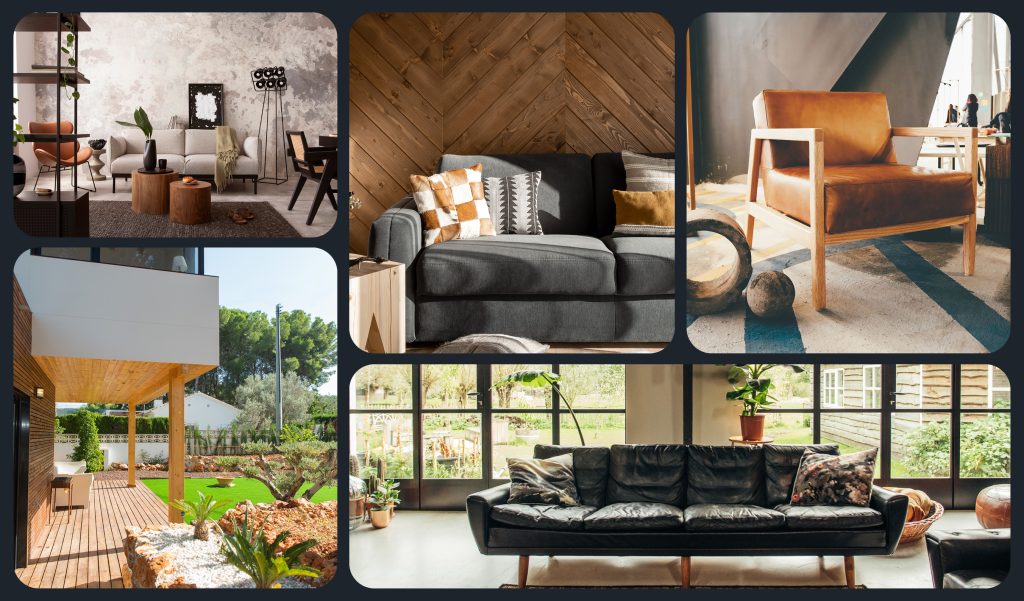
We are tired of the too good to be true and are desperate for the façade to come down. In a step away from AI, design is embracing materials as they are: exposed concrete, timber and brick, and weathered stone in construction. In fashion, raw edges, exposed seams, hand-made items and recycled materials. Instead, we can choose to view decay as beautiful – fluidity and movement in interior design. A true appreciation for the materials as they are – flaws and all!
Neo-Craft and Artisan Revival
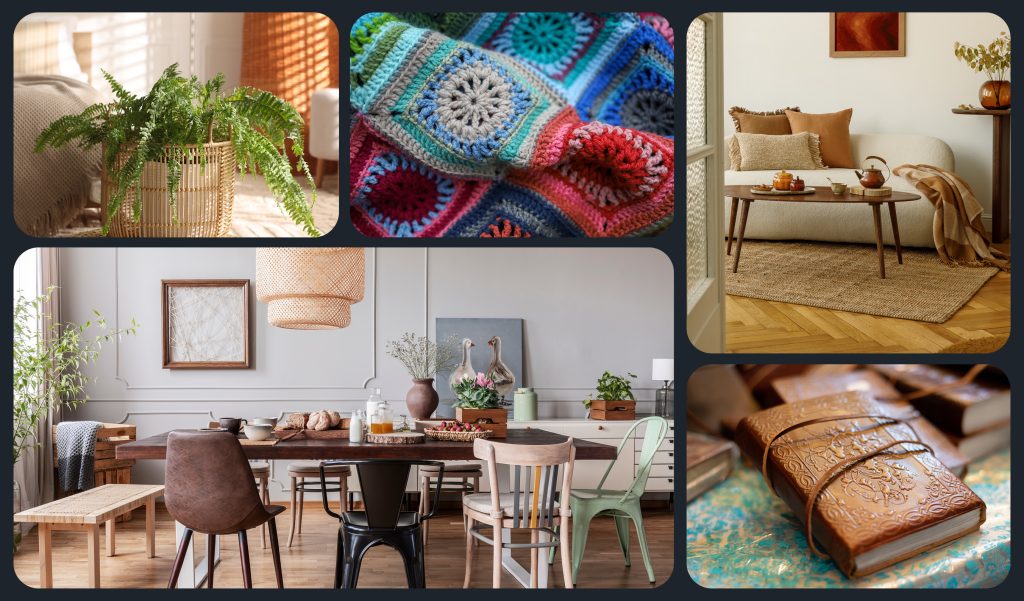
In direct contrast to the prefabricated, bulk produced and fast fashion, the skill and craft of artists has taken centre stage. The idea of craft and custom is a subtle flex. It’s something Dior and Chanel have known for years. Visible hand-stitching and limited runs have helped increase this desire. Hand woven textures, custom stonework and bespoke millwork are flush in architecture and interior design. Used as a marketing tool, focusing on the product’s process and human skill has led to several successful campaigns over the past few months, and we can’t wait to see more.
Narrative Design
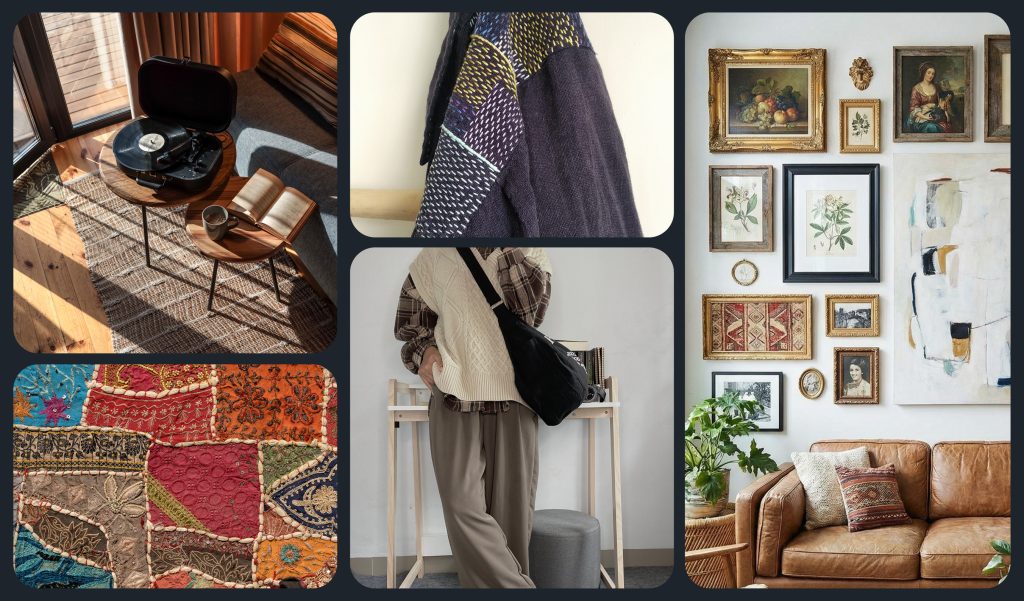
If we’ve said it once, we’ve said it a thousand times: telling a good story is everything! Narrative design is emerging as a defining creative trend across industries, formalizing the shift towards meaning, context and connection. Narrative design frames products as part of a larger story rooted in local history, culture, drama, intrigue or anticipation. It’s about infusing meaning into the work. In architecture, storytelling connects buildings to their context, embedding daily life into the built environment. Fashion uses narrative to showcase sustainability, or personal heritage, giving garments meaning beyond style. Marketing is doing the same – communicating narratives of promise, trust and connection, bridging brand and audience. A compelling story does more than differentiate; it reminds us that the most memorable experiences aren’t just seen, they’re felt and understood.
Right now, the shift away from content for content’s sake to context and quality is significant – and in some cases long overdue. Sustainability, craft, and sources are what is resonating most strongly across all industries. These trends indicate that after so much AI saturation, people are craving what’s real: aged stone, soft edges, connection, truth and beauty in tangible and attainable ways. And we love it.
Looking to share your story and connect with your audience?
Contact us to help build that bridge.
ALL POSTS